
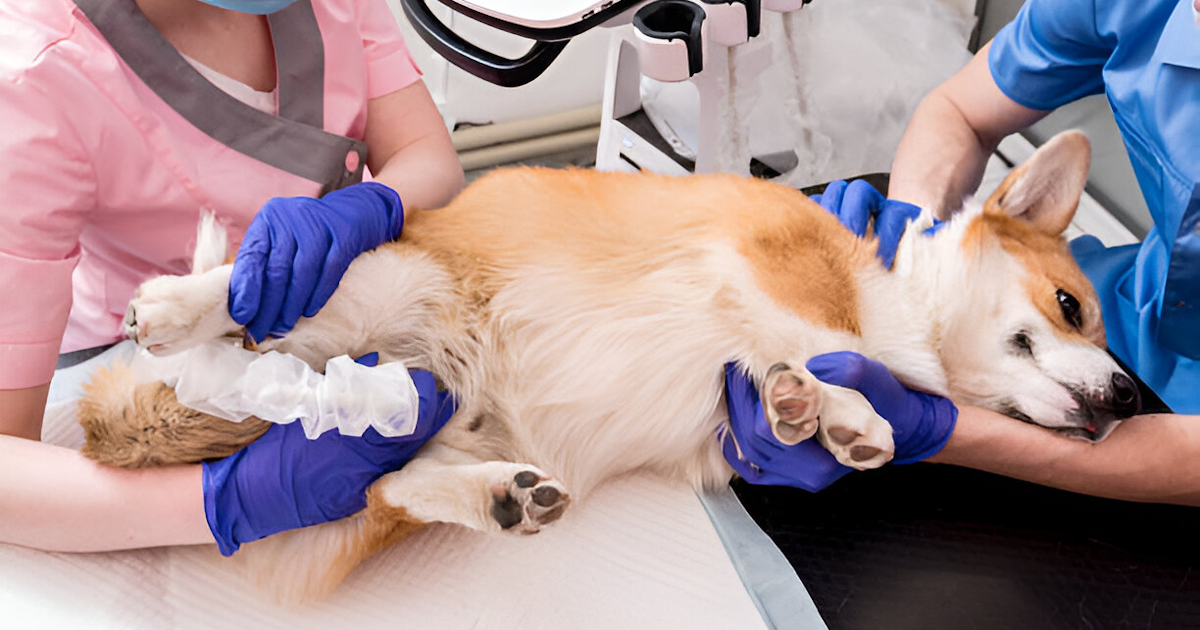
Why the decision should be discussed with a veterinarian
Neutering and sterilisation are common veterinary procedures, but every animal's situation is different. The decision should take into account age, health, lifestyle, breed and possible risks.
A veterinarian can explain when the procedure is best planned, whether tests are recommended and how to prepare. This reduces unnecessary stress for both the owner and the animal.
When the procedure may be useful
Neutering or sterilisation may help prevent unplanned breeding, some reproductive system diseases and certain behaviour-related problems. However, it is not a universal solution for all behavioural issues.
For example, marking, escaping or tension during heat may decrease, but personality, training and environment also play an important role.
Preparation before surgery
Before a planned procedure, the animal should be clinically healthy. If the pet coughs, has diarrhoea, vomits, eats poorly or seems lethargic, tell the veterinarian before arriving.
Blood tests may be recommended in some cases, especially for older animals or those with health problems. Before anaesthesia, it is also important to follow feeding instructions provided by the clinic.
Care after the procedure
After surgery, the animal needs rest, a clean place and observation. Licking the wound should be prevented, so an Elizabethan collar or protective clothing may be needed. Medication should be given only as instructed.
During the first day, the pet may be sleepier, move more carefully or eat less. Severe weakness, bleeding, repeated vomiting, swelling or discharge from the wound should be discussed with the clinic.
What to plan in advance
Before the procedure, prepare a calm place at home, plan when you can observe the animal and ask when a follow-up visit or suture removal may be needed.
Good preparation helps the procedure and recovery go more smoothly. Questions about age, weight, anaesthesia or aftercare are best discussed before the day of surgery.
Sterilisation and neutering in everyday language
In everyday speech, owners often use sterilisation for females and neutering or castration for males. Medically, the procedure concerns removing or disabling reproductive function, so the exact method should be discussed with the veterinarian.
The name matters less than the plan: why the procedure is recommended, what anaesthesia will be used, how to prepare and how to care for the pet afterwards. This helps the owner decide calmly instead of relying on rumours.
How to choose the right timing
Timing depends on species, sex, age, weight, breed and health. There is no single perfect date for every pet. In a young animal development matters, while in an older pet general health and anaesthetic risk should be assessed.
Do not schedule the procedure right before a holiday or trip. After surgery the pet needs several quiet days, possible follow-up and enough time to notice whether healing is normal.
FAQ
Are tests needed before neutering?
Blood tests are often recommended, especially for older pets or animals with heart, liver, kidney or other health concerns. The veterinarian decides after examining the animal.
How long does recovery take?
During the first day the pet may be sleepier. Wound healing usually takes several days, but activity restriction and wound protection should follow the veterinarian's instructions.
Will my pet gain weight after neutering?
Weight gain is not caused by the surgery itself, but by changes in energy needs and feeding balance. Food portions and activity should be reviewed after the procedure.