
Why prevention should be consistent
Many owners think about parasites only in spring, but ticks in and around Vilnius can remain active for much longer, especially during mild weather. Fleas may also survive in homes, stairwells or the animal's environment.
Parasites are not only an itching problem. They may carry diseases, weaken the animal, cause skin inflammation, allergic reactions or digestive issues. Prevention is often simpler and safer than treatment after infestation.
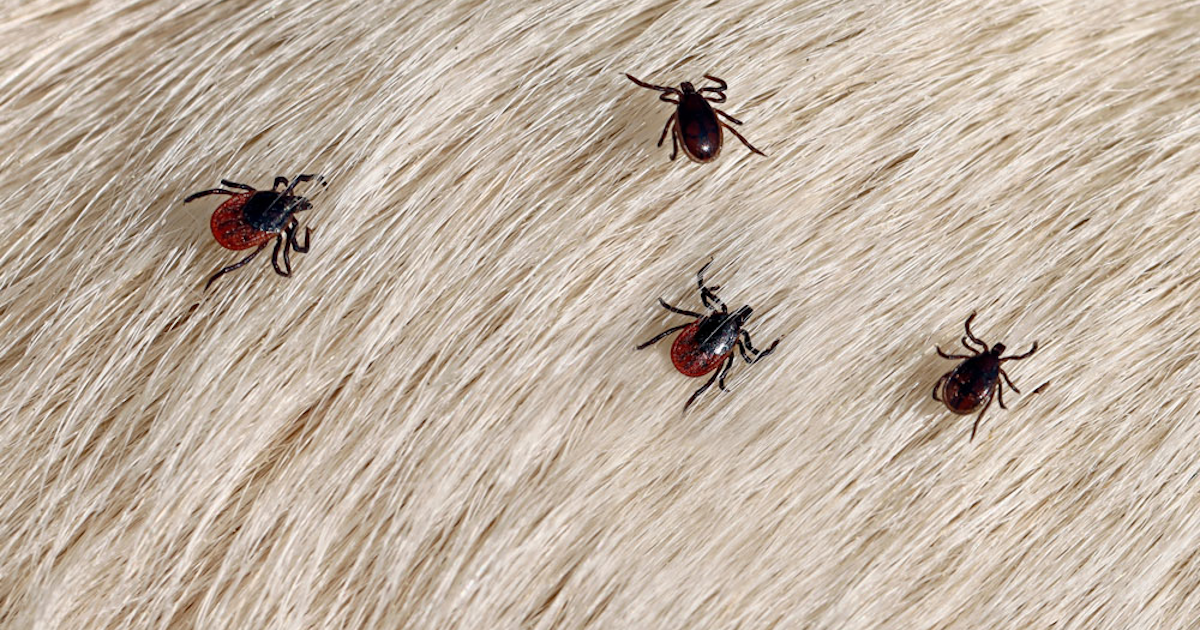
Ticks: what owners should know
After walks, check the ears, neck, armpits, groin and spaces between the toes. Ticks often attach where the skin is thinner. If you find a tick, remove it as soon as possible and observe the pet's condition.
If the animal becomes lethargic, feverish, loses appetite, limps or the urine colour changes after a tick bite, contact a veterinarian. These signs may indicate a more serious condition.
Fleas and skin problems
Fleas can cause intense itching, hair loss, redness and small wounds. In some animals, only a few bites are enough to trigger an allergic reaction. This is why the skin condition may look more severe than the number of visible fleas.
If there are several animals at home, prevention usually needs to include all of them. Otherwise parasites may return. Bedding, carpets and resting areas should also be cleaned.
Internal parasites
Internal parasites may cause weight loss, diarrhoea, vomiting, bloating, poor coat quality or general weakness. Sometimes signs are mild, so preventive deworming and veterinary guidance are important.
Special attention is needed for young animals, outdoor cats, hunting dogs and pets that often contact other animals.
How to choose protection
Protection may come as drops, tablets, collars or other forms. The right choice depends on the animal's species, weight, age, health and lifestyle. Some products made for dogs must not be used on cats.
Ask a veterinarian before using a product, especially if the animal is ill, very young, old, pregnant or has had allergic reactions before.
Why city pets are also at risk
Parasites are not only a forest or countryside problem. A dog can pick up a tick in a city park, and fleas may appear in stairwells, cars, visiting homes or places where other animals go. Even an indoor cat is not completely isolated from risk.
Many pets in Vilnius live in apartment buildings and use the same green areas every day. Prevention should match the real lifestyle, not only the calendar season.
Common mistakes with parasite products
A common mistake is choosing a product only by price or a friend's recommendation. The pet's exact weight, species, age and health status matter. The wrong dose may be ineffective or unsafe.
Another mistake is stopping protection too early. If the weather remains mild, ticks may stay active longer than expected. Ask how often and during which months protection should be repeated.
FAQ
Is tick protection needed only in summer?
No. In mild weather ticks may be active in spring, autumn or even winter. Prevention should be planned according to season and lifestyle.
Can I use a dog product on a cat?
Not without veterinary advice. Some substances safe for dogs can be dangerous for cats.
What should I do if I find a tick?
Remove the tick safely as soon as possible and monitor the pet. Lethargy, fever, appetite loss or urine colour changes require veterinary advice.